Home Blog Page 5

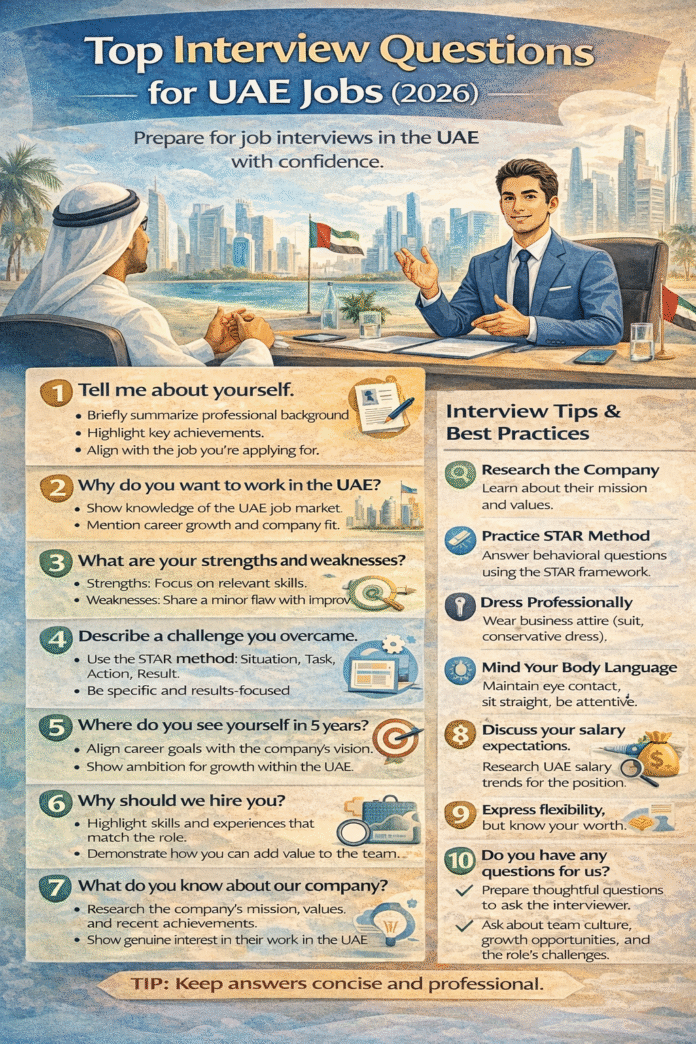
Top Interview Questions for UAE Jobs and How to Answer Them (2026)

1
op interview questions and answers for UAE jobs

INTRODUCTION

Job interviews in the UAE can be competitive and challenging. Knowing the top interview questions UAE recruiters ask—and how to answer them—can make the difference between getting the job or missing out.

This guide covers the most common questions, actionable tips, and strategies to impress interviewers in 2026.


1. Common UAE Interview Questions

Recruiters often ask questions to assess:

  • Skills and experience
  • Problem-solving ability
  • Cultural fit
  • Communication and confidence

Top questions include:

  1. Tell me about yourself.
  2. Why do you want to work in the UAE?
  3. What are your strengths and weaknesses?
  4. Describe a challenge you overcame.
  5. Where do you see yourself in 5 years?

2. How to Answer “Tell Me About Yourself”

  • Focus on professional background
  • Highlight relevant achievements
  • Keep it concise (1–2 minutes)
  • End with career goals aligned to the job

Example:
“I am a Sales Account Manager with 5 years of experience in telecom. I’ve successfully managed client portfolios and increased sales by 20%. I’m excited to bring my expertise to your team and contribute to growth.”


3. Answering “Why Do You Want to Work in the UAE?”

  • Show understanding of local market
  • Mention career growth opportunities
  • Align your goals with company objectives

Tip: Be authentic and demonstrate interest in working in the UAE.


4. Discussing Strengths and Weaknesses

  • Strengths: Focus on professional skills
  • Weaknesses: Mention a minor area and how you improve it
  • Avoid generic answers

Example Weakness: “I sometimes focus too much on details, but I’m learning to balance quality with efficiency.”


5. Behavioral Questions in UAE Interviews

  • “Tell me about a time you faced a challenge”
  • Use the STAR method (Situation, Task, Action, Result)
  • Keep answers concise and structured

6. Technical and Role-Specific Questions

  • Prepare for questions related to your field
  • Highlight practical experience and achievements
  • Use examples that match UAE market requirements

7. Questions About Salary and Benefits


8. Tips for Body Language and Presentation

  • Maintain eye contact
  • Sit straight, avoid fidgeting
  • Smile appropriately
  • Dress professionally (business attire preferred)

9. Online and Video Interview Tips

  • Test your equipment and internet connection
  • Choose a quiet, well-lit space
  • Dress professionally from head to toe
  • Keep background neutral and uncluttered

10. Questions to Ask the Interviewer

  • Show genuine interest in the role
  • Sample questions:
    • What are the expectations for this role in the first 6 months?
    • How is performance measured?
    • Can you describe the company culture?

11. Mistakes to Avoid in UAE Interviews

  • Being unprepared or vague
  • Speaking negatively about previous employers
  • Overlooking cultural differences
  • Forgetting to follow up after the interview

12. Follow-Up After the Interview

  • Send a thank-you email within 24 hours
  • Reiterate interest in the role
  • Highlight one key skill or achievement briefly

FREQUENTLY ASKED QUESTIONS

What is the most common UAE interview question?

“Tell me about yourself” is almost always asked.

How long should my answers be?

Keep answers concise: 1–2 minutes per question.

Should I prepare for both behavioral and technical questions?

Yes, depending on the role, expect both types.


CONCLUSION

Preparing for interview questions UAE is essential for career success. Understanding common questions, practicing structured answers, and maintaining professional presentation will help you impress recruiters and secure your dream job in 2026.
https://gulfjoblo.com/Index.aspx

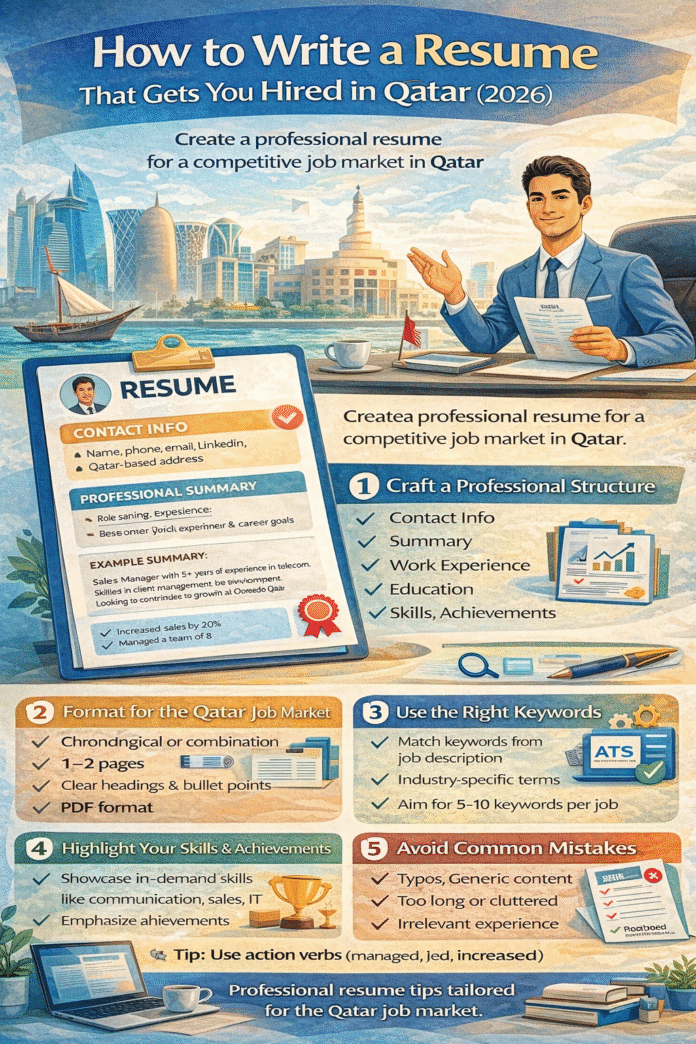
How to Write a Resume That Gets You Hired in Qatar (2026)

1
Professional resume tips for Qatar jobs
How to write a resume that gets you hired in Qatar

INTRODUCTION

A strong resume is your first impression with recruiters in Qatar. Writing a resume that gets noticed requires clarity, proper format, and relevant content. With the job market becoming more competitive in 2026, following resume tips Qatar is crucial for fresh graduates and experienced professionals alike.

This guide will help you craft a professional, effective, and attention-grabbing resume that increases your chances of landing interviews in Qatar.


1. Understand What Employers in Qatar Look For

Recruiters in Qatar value resumes that are:

  • Clear and concise
  • Tailored to the job role
  • Professionally formatted
  • Highlight relevant skills and experience

Tip: Avoid generic resumes. Customize your CV for each job application.

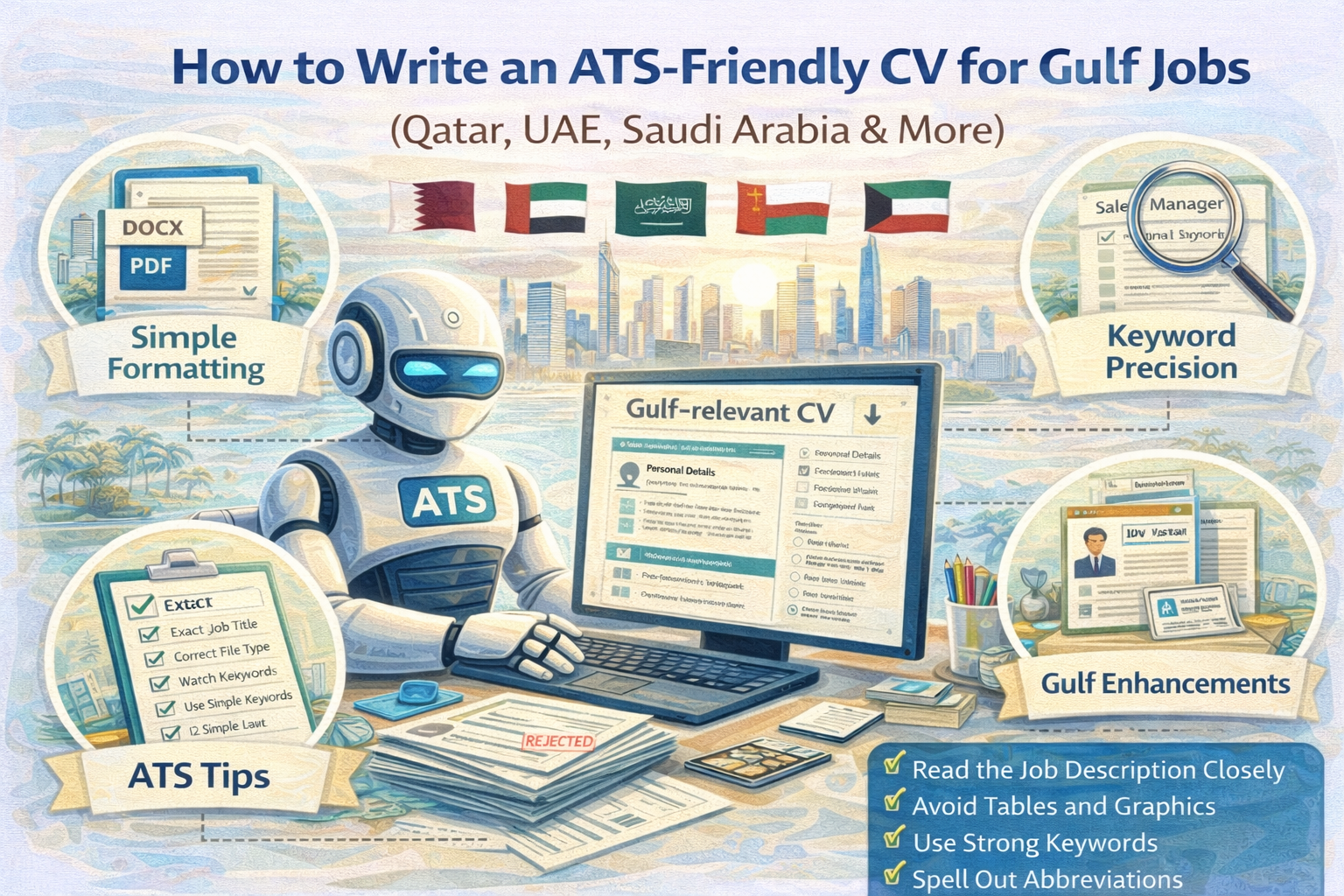
ATS-Friendly CV Tips for Gulf Jobs


2. Choose the Right Resume Format

There are three common resume formats:

Chronological

  • Lists work experience in reverse order
  • Best for candidates with consistent career history

Functional

  • Focuses on skills rather than job history
  • Ideal for career changers or fresh graduates

Combination

  • Blends skills and chronological experience
  • Useful for professionals with strong achievements

Resume tip Qatar: Most employers prefer chronological or combination resumes for clarity.


3. Essential Resume Sections

Every resume should include:

  • Contact Information: Name, phone, email, LinkedIn, city (Qatar-based if possible)
  • Professional Summary: 2–3 sentences highlighting experience and career goals
  • Work Experience: Include company, job title, dates, and key achievements
  • Education: Degrees, institutions, and relevant certifications
  • Skills: Focus on both technical and soft skills
  • Languages: Especially if you speak English and Arabic
  • Additional Sections: Projects, awards, or volunteer work

4. Writing a Compelling Professional Summary

Your professional summary is your first chance to impress. Include:

  • Your role and years of experience
  • Key achievements
  • Skills relevant to the position
  • Career goals aligned with the company

Example:
“Experienced Sales Account Manager with 5+ years in telecom and IT services in GCC. Skilled in client management, business development, and digital solutions. Seeking to contribute to Vodafone Qatar’s growth initiatives.”


5. Highlighting Skills That Recruiters Value in Qatar

Recruiters often look for:

  • Communication and interpersonal skills
  • Technical expertise relevant to the role
  • Leadership and team collaboration
  • Problem-solving and analytical skills
  • Adaptability and cultural awareness

Tip: Use keywords from the job description to pass ATS (Applicant Tracking Systems).


6. Quantify Your Achievements

Numbers make resumes stand out:

  • Increased sales by 20% in 6 months
  • Managed a team of 10 employees
  • Reduced operational costs by 15%

Quantifying achievements shows results, not just responsibilities.


7. Tailor Your Resume for Each Job

  • Match your skills and experience with job requirements
  • Use industry-specific terminology
  • Emphasize relevant achievements

Tip: Even small adjustments can increase your chances of getting shortlisted.


8. Resume Design and Formatting Tips

  • Keep resume length 1–2 pages
  • Use clear headings and bullet points
  • Choose professional fonts (Arial, Calibri)
  • Avoid unnecessary graphics or colors
  • Save as PDF for consistency

9. Common Mistakes to Avoid

  • Typos and grammatical errors
  • Using generic descriptions
  • Including irrelevant work experience
  • Making the resume too long or cluttered
  • Overusing personal pronouns

Tip: Proofread multiple times or get feedback from a professional.


10. Using LinkedIn to Complement Your Resume

  • Keep your profile updated
  • Use the same professional headline as your resume
  • Include recommendations and endorsements
  • Share your achievements and projects

11. Resume Tips for Fresh Graduates

  • Highlight internships, volunteer work, and projects
  • Include academic achievements and certifications
  • Focus on transferable skills

Fresh graduates can still make a strong impression with a skills-focused resume.


12. Final Checklist for a Perfect Resume

  • Clear structure and headings
  • Relevant experience and skills
  • Quantified achievements
  • Customized for the job
  • Error-free and formatted professionally

FREQUENTLY ASKED QUESTIONS

How long should a resume be in Qatar?

1–2 pages, focusing on relevance and clarity.

Can I include personal details like nationality?

Yes, but avoid sensitive info like religion or marital status.

Should I include references?

References can be listed as “Available upon request.”


CONCLUSION

Following resume tips Qatar ensures your application stands out to recruiters. Focus on clarity, relevant achievements, and professional presentation. Remember, a strong resume is the first step toward landing your dream job in Qatar.

https://cv-gulf.com/en

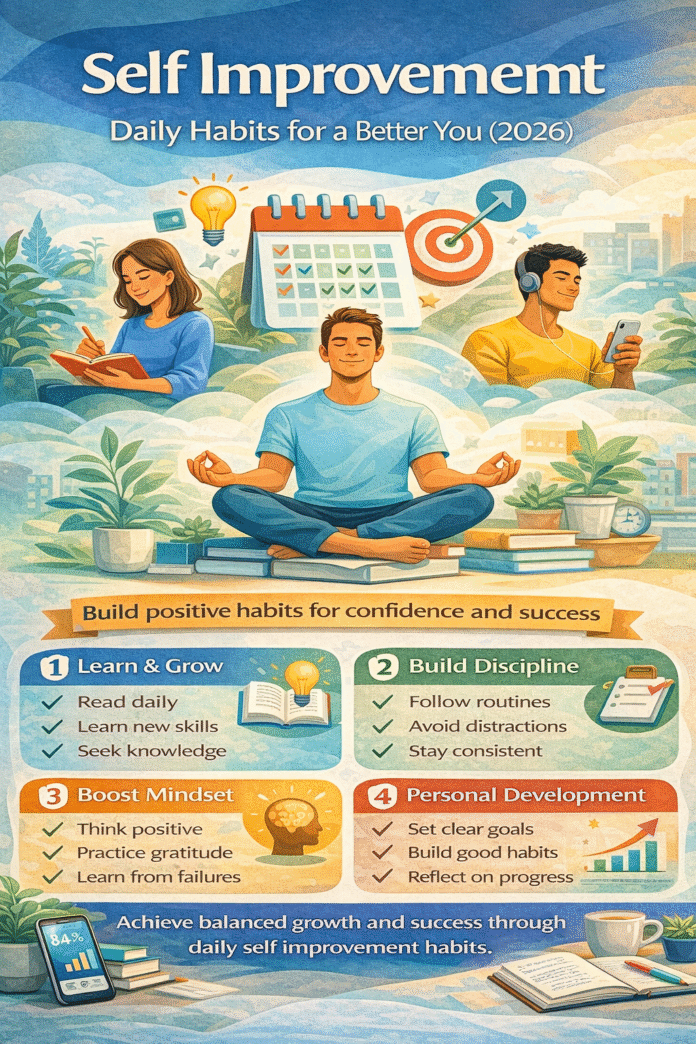
Self Improvement: Daily Habits for a Better You (2026)

0
self improvement habits for personal growth
Self improvement habits for a better and balanced life

INTRODUCTION

Building daily habits self improvement routines is the fastest way to transform your confidence, discipline, productivity, and overall success in career and personal life.

In 2026, self improvement is essential for mental strength, career growth, and a balanced life.


1. What Is Self Improvement?

daily habits self improvement routines focuses on:

  • Improving habits
  • Developing skills
  • Strengthening mindset
  • Building discipline

daily habits self improvement routines helps individuals grow personally and professionally over time.


2. Why Self Improvement Matters

daily habits self improvement routines:

  • Confidence
  • Decision-making
  • Emotional control
  • Life satisfaction

People who practice self improvement handle challenges more effectively.


3. Self Improvement and Personal Development

daily habits self improvement routines is a core part of personal development.

It supports:

  • Long-term growth
  • Career success
  • Mental resilience
  • Positive behavior

4. Daily Habits That Support Self Improvement

Small habits create lasting results.

Effective self improvement habits include:

  • Reading daily
  • Reflecting on progress
  • Learning new skills
  • Practicing gratitude

Consistency matters more than intensity.


5. Self Improvement Through Goal Setting

Goals give direction to self improvement.

Good goals should be:

  • Clear
  • Realistic
  • Measurable
  • Time-based

Goals help track progress and stay motivated.


6. Building Self Discipline

Discipline is essential for self improvement.

Build discipline by:

  • Creating routines
  • Avoiding distractions
  • Keeping commitments
  • Staying consistent

Discipline keeps progress moving forward.


7. Self Improvement and Mindset

A strong mindset supports growth.

Healthy mindset practices include:

  • Positive thinking
  • Learning from failure
  • Avoiding negative self-talk
  • Staying patient

Mindset shapes long-term success.


8. Self Improvement in Career and Work Life

At work, self improvement leads to:

  • Skill development
  • Better performance
  • Career growth
  • Professional confidence

Employees who invest in self improvement grow faster.


9. Self Improvement and Time Management

Time management supports self improvement.

Using time wisely allows:


10. Common Self Improvement Mistakes

Avoid:

  • Trying to change everything at once
  • Comparing yourself to others
  • Expecting quick results
  • Ignoring rest and balance

Sustainable growth takes time.


11. Simple Self Improvement Practices for Daily Life

Practical practices include:

  • Journaling
  • Reading
  • Listening to educational content
  • Practicing self-awareness

These habits support long-term improvement.


12. Self Improvement Trends in 2026

Modern self improvement focuses on:

  • Mental health
  • Emotional intelligence
  • Work-life balance
  • Continuous learning

People now value balanced growth over pressure.


FREQUENTLY ASKED QUESTIONS

How long does self improvement take?

It is a lifelong process with gradual results.

Can self improvement change my life?

Yes. Small daily changes lead to major transformation.

Is self improvement only for career success?

No. It improves all areas of life.


CONCLUSION

Self improvement is about becoming better one day at a time. By building healthy habits, improving mindset, and staying consistent, anyone can create positive change.

Progress, not perfection, is the goal.

https://medium.com

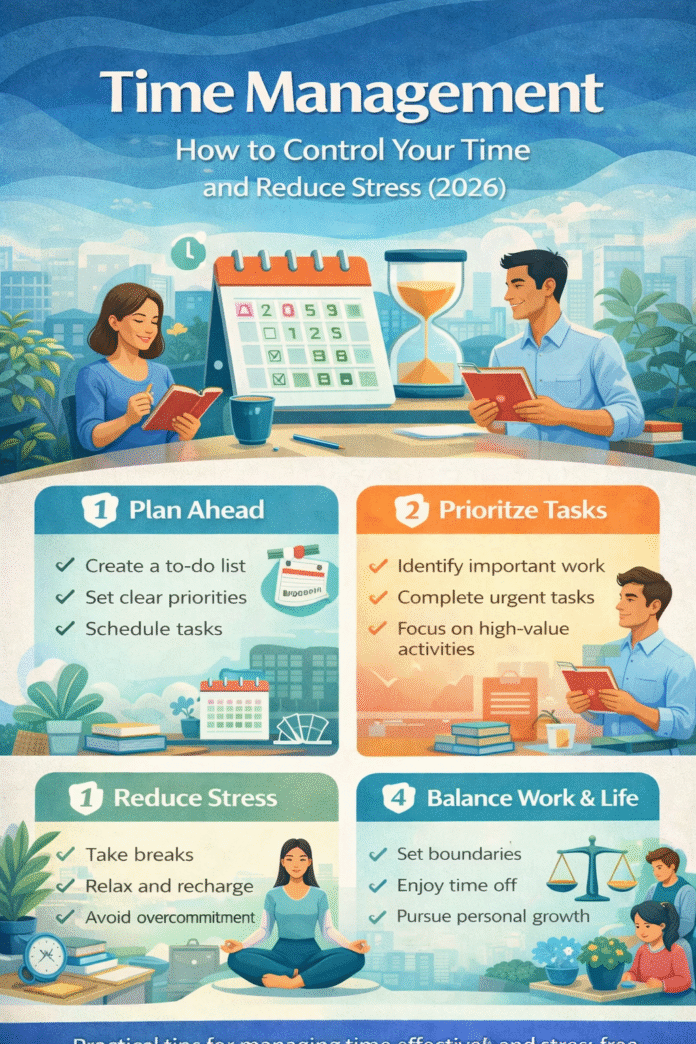
Time Management: How to Control Your Time and Reduce Stress (2026)

1
time management skills for work and daily life
Time management skills for better focus and balance

INTRODUCTION

Time management is the ability to plan and control how you use your time effectively. Poor time management leads to stress, missed deadlines, and burnout, while good time management creates balance, focus, and productivity.

In 2026, mastering time management is essential for both career success and personal well-being.


1. What Is Time Management?

Time management means:

  • Planning tasks in advance
  • Prioritizing important work
  • Avoiding unnecessary distractions
  • Using time efficiently

Strong time management helps you achieve more with less stress.


2. Why Time Management Is Important

Time management improves:

  • Productivity
  • Mental clarity
  • Work-life balance
  • Decision-making

People with good time management feel more in control of their lives.


3. Time Management and Personal Development

Time management supports personal development by:

  • Building discipline
  • Improving consistency
  • Creating better habits
  • Reducing overwhelm

4. Common Time Management Problems

Many people struggle with:

  • Procrastination
  • Poor planning
  • Overcommitment
  • Distractions

Identifying these issues is the first step to better time management.


5. How to Prioritize Tasks Effectively

Prioritization is a key time management skill.

Simple methods include:

  • Listing daily tasks
  • Identifying urgent vs important work
  • Completing high-priority tasks first

Prioritizing correctly saves time and energy.


6. Daily Planning for Better Time Management

Daily planning improves focus.

Effective planning includes:

  • Creating a to-do list
  • Setting realistic deadlines
  • Scheduling breaks

Planning your day gives structure and clarity.


7. Time Management at Work

In the workplace, time management helps:

  • Meet deadlines
  • Reduce work pressure
  • Improve performance
  • Maintain professionalism

Good time management makes employees more reliable and confident.


8. Time Management and Productivity

Time management and productivity work together.

Better time management leads to:


9. Avoiding Procrastination

Procrastination wastes valuable time.

To reduce it:

  • Break tasks into small steps
  • Set clear deadlines
  • Remove distractions
  • Start with simple tasks

Small actions build momentum.


10. Time Management for Work-Life Balance

Good time management allows:

  • Time for family
  • Personal growth
  • Rest and hobbies

Balance prevents burnout and improves long-term success.


11. Time Management Tools and Techniques

Helpful tools include:

  • Digital calendars
  • Task management apps
  • Timers
  • Weekly planners

Use tools that match your routine and style.


12. Time Management Trends in 2026

Modern time management focuses on:

  • Flexible scheduling
  • Energy management
  • Focused work sessions
  • Mental well-being

People now value balance over long working hours.


FREQUENTLY ASKED QUESTIONS

How can I improve my time management skills?

Plan daily tasks, set priorities, and avoid distractions.

Is time management important for mental health?

Yes. It reduces stress and creates balance.

Can time management be learned?

Yes. Anyone can improve with practice and consistency.


CONCLUSION

Strong time management skills help you stay organized, focused, and stress-free. By planning wisely and prioritizing correctly, you can control your time instead of feeling controlled by it.

Time is limited. Managing it well changes everything.

https://reclaim.ai/blog/time-management-tips

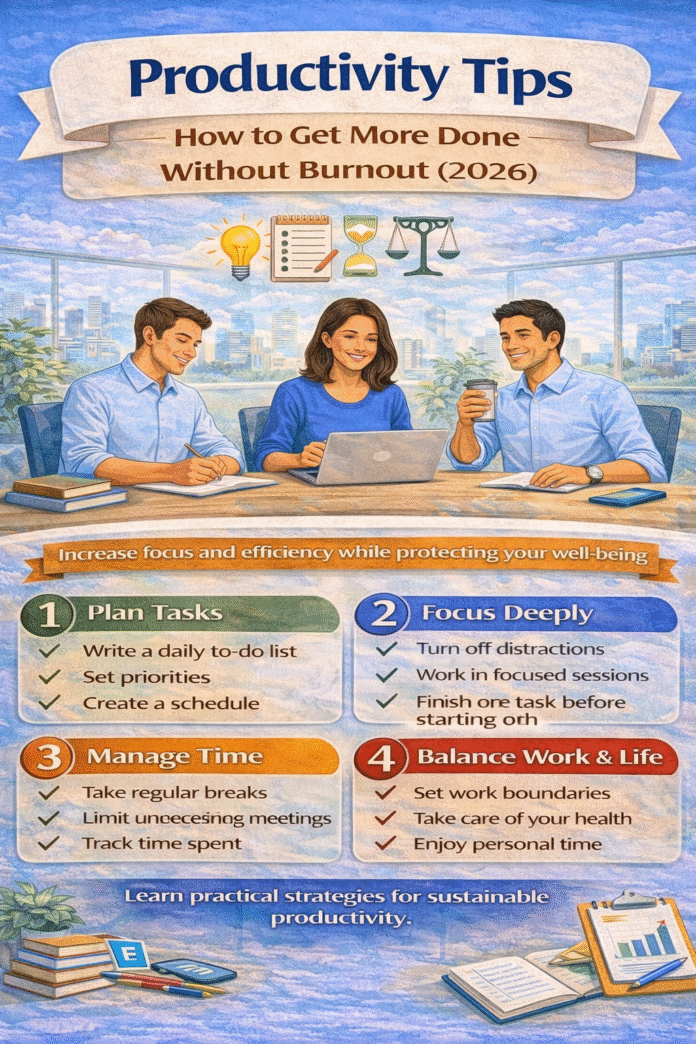
Productivity Tips: How to Get More Done Without Burnout (2026)

1
productivity tips for work and daily life
Practical productivity tips to stay focused and efficient

INTRODUCTION

Productivity tips help people manage time, energy, and focus more effectively. Productivity is not about working longer hours. It is about working smarter and avoiding burnout.

In 2026, productivity means balancing performance with well-being. This guide explains simple productivity tips that work in real life.


1. What Productivity Really Means

Productivity is the ability to:

  • Complete important tasks
  • Use time wisely
  • Maintain focus
  • Avoid unnecessary stress

Good productivity tips improve output without harming health.


2. Why Productivity Tips Matter Today

Modern life includes:

  • Constant distractions
  • Work pressure
  • Digital overload

Productivity tips help you stay focused, organized, and calm.


3. Productivity Tips and Personal Development

Productivity supports personal development by:


4. Plan Your Day Before It Starts

Daily planning improves productivity.

Effective planning includes:

  • Writing a task list
  • Prioritizing important work
  • Setting realistic goals

Planning saves time and mental energy.


5. Focus on One Task at a Time

Multitasking reduces efficiency.

Better productivity tips include:

  • Completing one task fully
  • Reducing interruptions
  • Working in focused sessions

Single-tasking improves quality and speed.


6. Manage Your Energy, Not Just Time

Productivity depends on energy levels.

Improve energy by:

  • Taking short breaks
  • Sleeping properly
  • Eating well
  • Staying hydrated

High energy leads to better focus.


7. Productivity Tips for the Workplace

At work, productivity improves with:

  • Clear priorities
  • Organized workspace
  • Limiting unnecessary meetings
  • Using tools wisely

Efficient employees perform better with less stress.


8. Avoid Common Productivity Mistakes

Avoid:

  • Overloading your schedule
  • Perfectionism
  • Ignoring breaks
  • Working without clear goals

Smart productivity tips focus on balance.


9. Digital Productivity Tips

Technology can help or hurt productivity.

Use technology to:

  • Set reminders
  • Organize tasks
  • Track progress

Limit distractions like constant notifications.


10. Productivity and Mental Health

Healthy productivity supports:

  • Reduced stress
  • Better focus
  • Improved mood
  • Long-term consistency

Avoid productivity that leads to burnout.


11. Productivity Trends in 2026

Modern productivity focuses on:

  • Deep work
  • Flexible schedules
  • Work-life balance
  • Mental well-being

People value sustainable productivity over long hours.


FREQUENTLY ASKED QUESTIONS

How can I be productive without stress?

Plan tasks, take breaks, and avoid overworking.

Do productivity tips really work?

Yes, when applied consistently and realistically.

Is productivity about speed?

No. It is about efficiency and quality.


CONCLUSION

Productivity tips help you work smarter, not harder. By managing time, energy, and focus, you can achieve more while protecting your health and well-being.

True productivity supports both success and balance.

https://www.simplilearn.com/

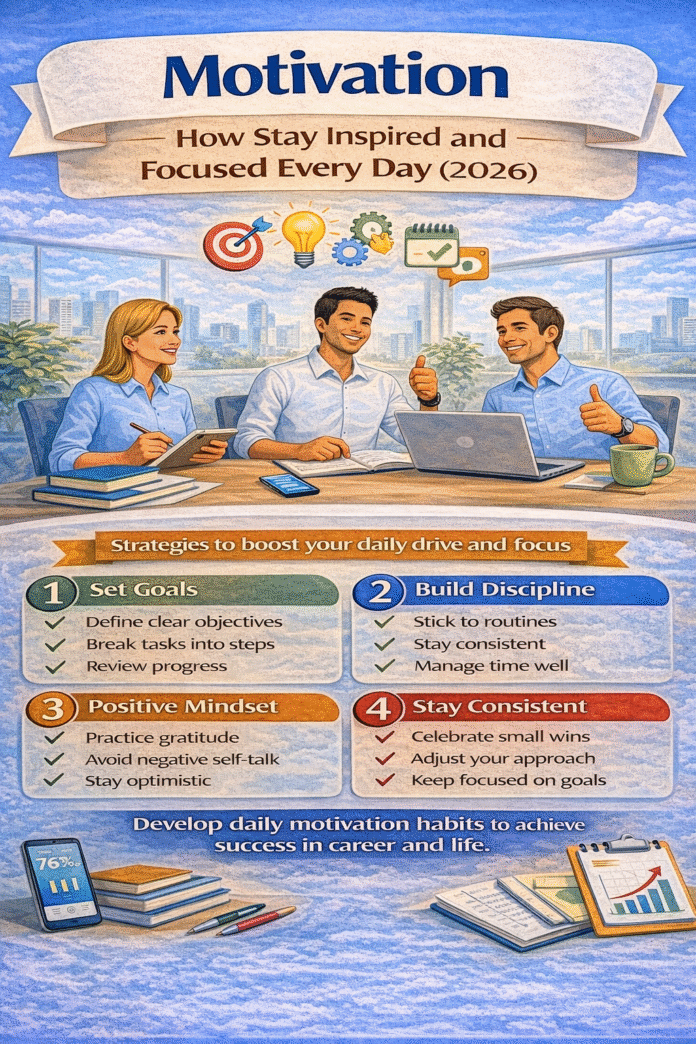
Motivation: How to Stay Inspired and Focused Every Day (2026)

0
daily motivation for success and focus
Motivation strategies for daily inspiration and focus

INTRODUCTION

Motivation is the driving force behind every action, decision, and achievement. Without motivation, even the most talented people struggle to move forward. In 2026, motivation is essential for managing work pressure, personal goals, and daily responsibilities.

This article explains motivation in a clear and practical way so you can stay inspired every day.


1. What Is Motivation?

Motivation is the internal or external force that pushes you to act.

There are two main types of motivation:

  • Intrinsic motivation – driven by personal satisfaction
  • Extrinsic motivation – driven by rewards or recognition

Both types play an important role in success.


2. Why Motivation Is Important in Daily Life

Motivation helps you:

  • Take action consistently
  • Overcome laziness and fear
  • Stay focused on goals
  • Improve confidence

Without motivation, progress becomes slow and uncertain.


3. Motivation and Personal Development

Motivation is a key part of personal development.

It supports:


4. Common Reasons People Lose Motivation

People often lose motivation due to:

  • Lack of clear goals
  • Fear of failure
  • Stress and burnout
  • Unrealistic expectations

Understanding these reasons helps you regain focus.


5. How to Build Strong Daily Motivation

To build motivation:

  • Set clear and meaningful goals
  • Break tasks into small steps
  • Celebrate small achievements
  • Stay consistent

Small wins create lasting motivation.


6. The Role of Discipline in Motivation

Motivation comes and goes. Discipline keeps you moving.

Strong discipline means:

  • Showing up even when motivation is low
  • Following routines
  • Staying committed

Motivation starts the journey. Discipline completes it.


7. Motivation at Work and Career Growth

In professional life, motivation leads to:

  • Better performance
  • Career advancement
  • Skill development
  • Workplace confidence

Motivated employees grow faster and handle pressure better.


8. Simple Motivation Habits to Practice Daily

Daily habits that improve motivation:

  • Morning planning
  • Reading inspirational content
  • Tracking progress
  • Positive self-talk

These habits keep motivation steady.


9. How to Stay Motivated During Difficult Times

During challenges:

  • Focus on what you can control
  • Remind yourself of long-term goals
  • Take short breaks
  • Avoid negative influences

Motivation grows when you manage stress properly.


10. Motivation and Mental Health

Healthy motivation supports:

  • Emotional balance
  • Reduced anxiety
  • Better focus
  • Improved confidence

Avoid toxic motivation based on pressure or comparison.


11. Motivation Trends in 2026

Modern motivation focuses on:

  • Self-awareness
  • Work-life balance
  • Purpose-driven goals
  • Mental well-being

People now value sustainable motivation over burnout.


FREQUENTLY ASKED QUESTIONS

How can I stay motivated every day?

Create routines, set clear goals, and track small progress.

Is motivation enough for success?

Motivation helps start, but discipline ensures long-term success.

Can motivation be learned?

Yes. Motivation improves with habits and mindset training.


CONCLUSION

Motivation is the fuel that turns plans into action. By building healthy habits, setting realistic goals, and staying disciplined, you can remain motivated in both career and daily life.

Motivation is not about feeling excited all the time. It is about continuing even when it feels difficult.

https://jenifferthompson.com/

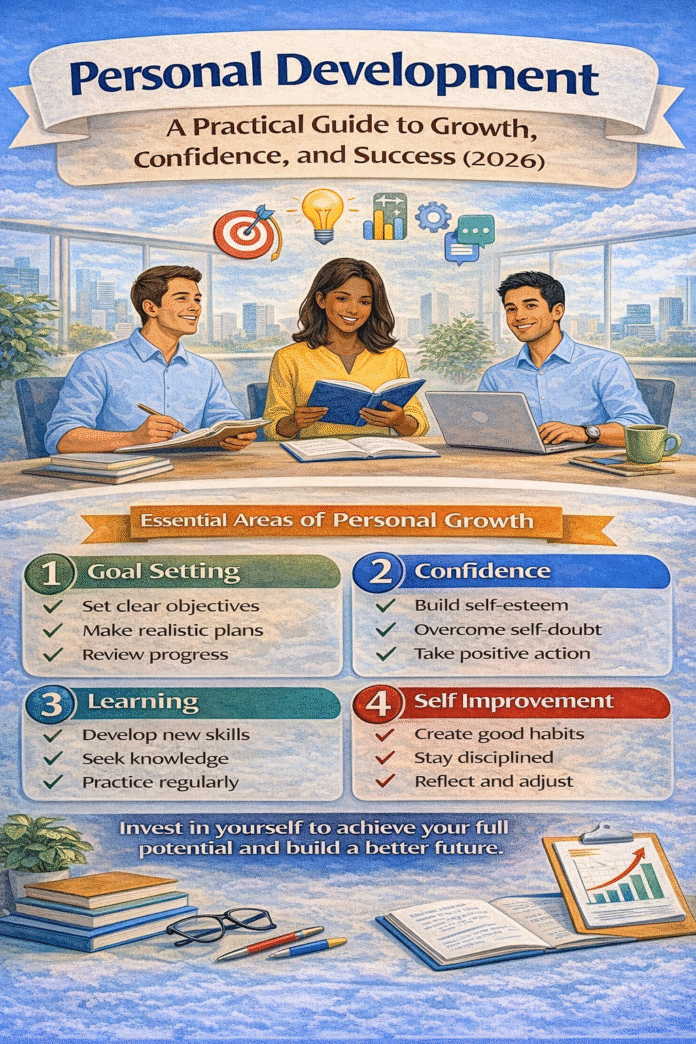
Personal Development: A Practical Guide to Growth, Confidence, and Success (2026)

0
personal development for career and life success
Personal development for confidence, skills, and growth

INTRODUCTION

Personal development is the continuous process of improving skills, mindset, confidence, and habits to achieve a better quality of life. In 2026, personal development is no longer optional. It is essential for career growth, mental strength, and long-term success.

This guide explains personal development in a simple and practical way that anyone can apply in daily life.


1. What Is Personal Development?

Personal development focuses on:

  • Improving skills
  • Building confidence
  • Developing positive habits
  • Strengthening mindset

Personal development helps individuals grow professionally and personally over time.


2. Why Personal Development Matters in Modern Life

Personal development improves:

  • Career opportunities
  • Decision-making skills
  • Emotional control
  • Self-confidence

People who invest in personal development adapt better to change and challenges.


3. Personal Development and Career Growth

In professional life, personal development supports:

  • Better communication
  • Leadership abilities
  • Problem-solving skills
  • Workplace confidence

Employees who focus on personal development grow faster in their careers.

Communication Skills for Career & Daily Life.


4. Key Areas of Personal Development

Personal development includes several important areas:

  • Mental growth
  • Emotional intelligence
  • Skill development
  • Self-discipline

Balanced development leads to long-term success.


5. Building a Positive Mindset

Mindset shapes actions and results.

Personal development mindset practices include:

  • Positive thinking
  • Learning from failure
  • Staying consistent
  • Avoiding self-doubt

A strong mindset helps overcome challenges.


6. Goal Setting as a Personal Development Tool

Clear goals guide progress.

Effective goal setting includes:

  • Clear objectives
  • Realistic timelines
  • Regular review
  • Action plans

Goals give direction to personal development efforts.


7. Daily Habits for Personal Development

Small daily habits create big results.

Helpful habits include:

  • Reading regularly
  • Learning new skills
  • Reflecting on progress
  • Practicing discipline

Consistency matters more than intensity.


8. Personal Development and Self-Confidence

Confidence grows through:

  • Skill improvement
  • Self-awareness
  • Practice
  • Positive self-talk

Personal development builds confidence naturally over time.


9. Common Personal Development Mistakes

Avoid:

  • Setting unrealistic goals
  • Comparing yourself to others
  • Seeking quick results
  • Ignoring self-care

Sustainable growth requires patience.


10. Personal Development for Mental Strength

Mental strength helps handle stress and pressure.

Personal development improves:

  • Emotional balance
  • Focus
  • Decision-making
  • Stress management

Mental strength is key to long-term success.


11. Personal Development Tools and Resources

Helpful tools include:

  • Books and podcasts
  • Online courses
  • Journals
  • Skill-based practice

Choose tools that support practical growth.


12. Personal Development Trends in 2026

Modern personal development focuses on:

  • Self-awareness
  • Emotional intelligence
  • Continuous learning
  • Work-life balance

Personal growth is becoming a lifelong process.


FREQUENTLY ASKED QUESTIONS

How long does personal development take?

It is a continuous process with gradual results.

Can anyone improve through personal development?

Yes. Anyone can grow with consistent effort.

Is personal development only for career growth?

No. It improves both personal and professional life.


CONCLUSION

Personal development is the foundation of confidence, success, and fulfillment. By improving mindset, skills, and habits, individuals create better opportunities and stronger lives.

Personal growth is not about perfection. It is about progress.

https://emmadavisbooks.com/

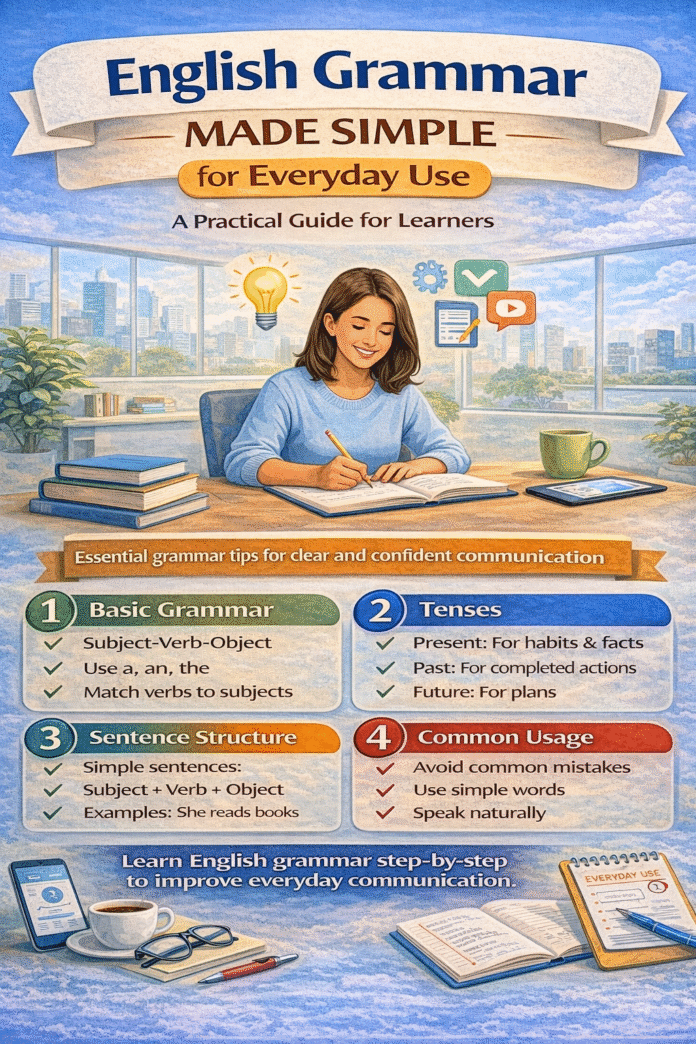
English Grammar Made Simple for Everyday Use: A Practical Guide for Learners (2026)

English grammar made simple for everyday use
Simple English grammar for daily communication

INTRODUCTION

English grammar simple rules help learners communicate clearly and confidently in daily life. Many people fear grammar, but the truth is that everyday communication uses only a small part of English grammar.

This guide explains English grammar in a simple and practical way so learners can speak and write correctly without confusion.


1. Why English Grammar Should Be Simple

Grammar is not about memorizing complex rules. It is about:

  • Making clear sentences
  • Avoiding misunderstandings
  • Communicating confidently

English grammar simple methods focus on usage, not theory.


2. Sentence Structure Made Easy

Basic English sentences follow a simple pattern:

  • Subject
  • Verb
  • Object

Example:
She reads books.

Understanding this structure improves English grammar simple learning quickly.


3. Present, Past, and Future Tenses

Everyday English mainly uses three tenses.

Present Tense

Used for habits and facts.
Example: I work in an office.

Past Tense

Used for completed actions.
Example: I visited the market.

Future Tense

Used for plans.
Example: I will attend the meeting.

Focusing on these tenses keeps English grammar simple and effective.


4. Common Grammar Rules for Daily Use

Some basic rules include:

  • Use articles correctly (a, an, the)
  • Match subject and verb
  • Use correct word order

These rules improve accuracy in daily communication.


5. English Grammar Simple for Spoken English

Spoken English does not require perfect grammar.

Focus on:

  • Clear meaning
  • Simple sentences
  • Correct tense usage

English grammar simple approaches help learners speak without fear.

Spoken English: How to Speak Fluently and Confidently in 2026


6. Common Grammar Mistakes to Avoid

Avoid these frequent errors:

  • Mixing tenses
  • Missing verbs
  • Incorrect plural forms
  • Overusing complex sentences

Correcting these mistakes improves confidence.


7. Grammar for Professional Communication

Basic grammar matters in:

  • Emails
  • Reports
  • Workplace messages

Using English grammar simple rules makes professional writing clear and polite.


8. Learning Grammar Through Practice

Grammar improves through use.

Effective practice includes:

  • Writing short sentences
  • Reading simple texts
  • Speaking daily
  • Correcting small errors

Practice builds long-term accuracy.


9. Grammar Learning Tips for Beginners

Beginners should:

  • Learn one rule at a time
  • Practice with examples
  • Avoid overthinking
  • Focus on communication

Simple learning brings faster results.


10. Role of Grammar in Communication Skills

Grammar supports communication skills by:

  • Improving clarity
  • Reducing confusion
  • Building confidence

Grammar should help communication, not block it.

Communication Skills for Career & Daily Life: A Practical Guide for Success (2026)


11. English Grammar Simple Tools and Resources

Helpful tools include:

  • Grammar apps
  • Simple workbooks
  • Online exercises
  • Short videos

Choose resources that explain grammar simply.


12. Grammar Learning Trends in 2026

Modern grammar learning focuses on:

  • Practical usage
  • Spoken communication
  • Short lessons
  • Real-life examples

English grammar simple methods are becoming more popular worldwide.


FREQUENTLY ASKED QUESTIONS

Is English grammar difficult to learn?

No. Basic grammar is easy when learned step by step.

Is grammar important for speaking English?

Yes, but simple grammar is enough for daily communication.

Can adults learn English grammar easily?

Yes. Adults often learn faster with practical methods.


CONCLUSION

Learning English grammar simple rules helps learners communicate confidently in everyday situations. Grammar does not need to be complex to be effective.

Focus on clarity, practice daily, and use grammar as a tool to express ideas naturally.

https://www.udemy.com/

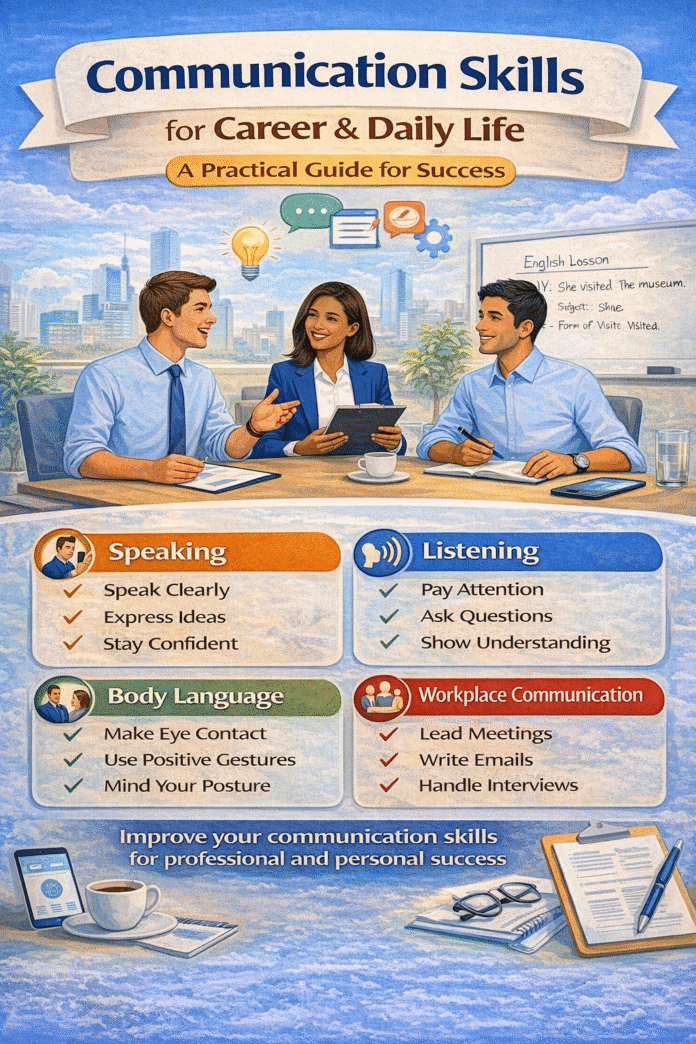
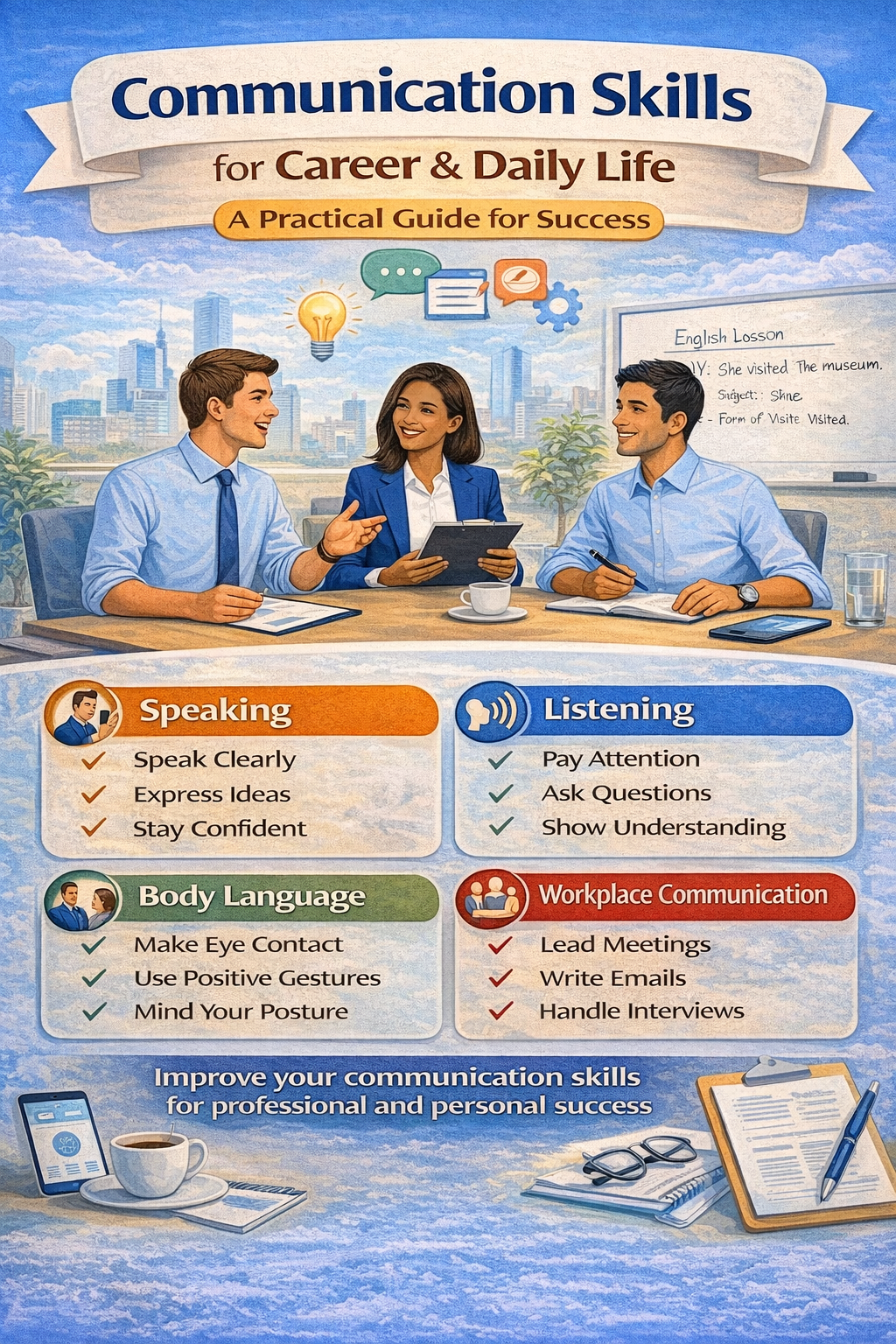
Communication Skills for Career & Daily Life: A Practical Guide for Success (2026)

communication skills for career and daily life
Communication skills for professional and personal success

INTRODUCTION

Communication skills are essential for success in both career and daily life. Whether speaking in meetings, attending interviews, or managing everyday conversations, clear communication builds confidence, trust, and strong relationships.

In 2026, communication skills are considered one of the most valuable soft skills for professional growth and personal development.


1. What Are Communication Skills?

Communication skills refer to the ability to:

  • Express ideas clearly
  • Listen actively
  • Understand others
  • Respond effectively

Strong communication skills help people share information, solve problems, and build connections in personal and professional environments.


2. Importance of Communication Skills in Career Growth

In the workplace, communication skills directly impact:

  • Job performance
  • Team collaboration
  • Leadership potential
  • Career advancement

Employees with strong communication skills are more confident and respected in professional settings.


3. Communication Skills for Daily Life

Daily communication skills improve:

  • Personal relationships
  • Social interactions
  • Conflict resolution
  • Self-expression

Clear communication helps avoid misunderstandings and builds positive connections.


4. Verbal Communication Skills

Verbal communication focuses on spoken language.

Key elements include:

  • Clear pronunciation
  • Simple sentence structure
  • Appropriate tone
  • Confidence while speaking

Strong verbal communication skills improve spoken English and professional conversations.

Spoken English: How to Speak Fluently and Confidently in 2026


5. Non-Verbal Communication Skills

Non-verbal communication supports spoken words.

It includes:

  • Body language
  • Facial expressions
  • Eye contact
  • Gestures

Positive body language strengthens communication skills and trust.


6. Listening Skills as a Core Communication Skill

Listening is often ignored but highly important.

Good listening skills involve:

  • Paying attention
  • Avoiding interruptions
  • Understanding the message
  • Responding thoughtfully

Effective listening improves workplace communication and relationships.


7. Communication Skills in the Workplace

Professional communication skills are required for:

  • Meetings
  • Emails
  • Presentations
  • Team discussions

Clear communication reduces errors and improves productivity.


8. Communication Skills for Interviews and Presentations

During interviews and presentations:

  • Speak clearly
  • Stay confident
  • Organize thoughts
  • Maintain eye contact

Strong communication skills increase success rates in job interviews.


9. Written Communication Skills

Written communication is equally important.

It includes:

  • Emails
  • Reports
  • Messages
  • Professional documents

Clear writing reflects professionalism and clarity of thought.


10. Common Communication Mistakes to Avoid

Avoid these common issues:

  • Interrupting others
  • Using unclear language
  • Speaking too fast
  • Ignoring feedback

Correcting these habits improves communication skills quickly.


11. How to Improve Communication Skills Daily

Simple daily practices:

  • Practice speaking English
  • Read and write regularly
  • Listen actively
  • Observe good communicators

Consistency improves communication skills naturally.


12. Communication Skills for Leadership

Leaders require strong communication skills to:

  • Guide teams
  • Motivate employees
  • Resolve conflicts
  • Build trust

Leadership success depends heavily on effective communication.


FREQUENTLY ASKED QUESTIONS

Why are communication skills important for career success?

They improve teamwork, confidence, and professional image.

Can communication skills be learned?

Yes, communication skills improve with practice and awareness.

Is communication more important than technical skills?

Both matter, but communication skills often determine growth opportunities.


CONCLUSION

Strong communication skills are essential for success in career and daily life. From professional meetings to personal conversations, effective communication builds confidence, trust, and long-term success.

Improving communication is a continuous process. Small daily efforts lead to powerful results.

https://www.gulftalent.com/uae/courses/communication-skills-37209-37209

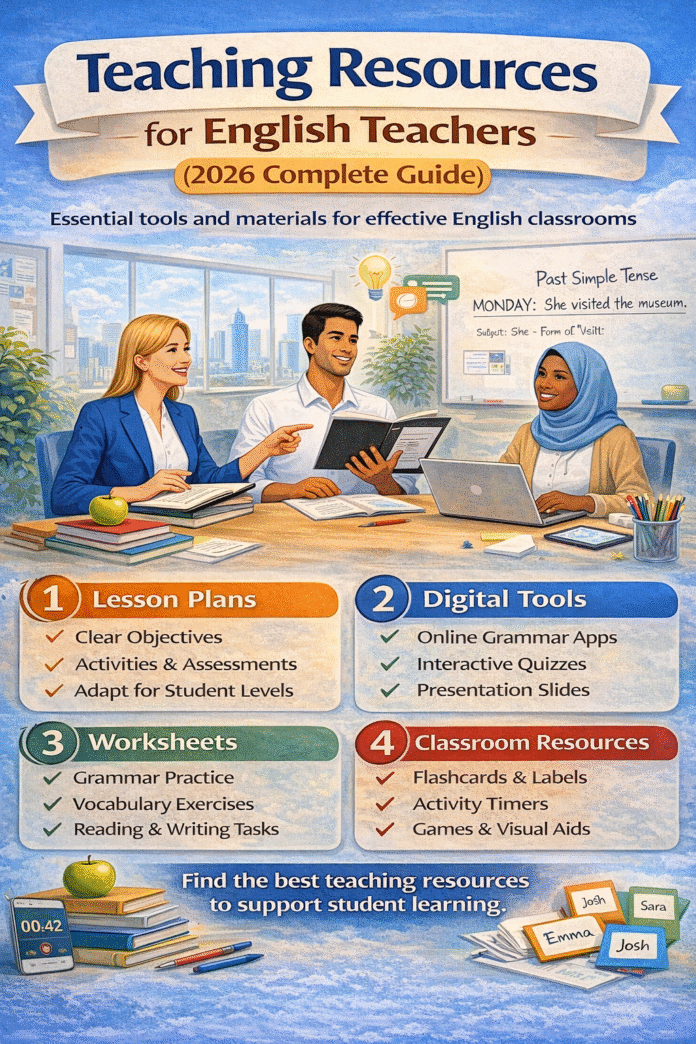
Teaching Resources for English Teachers: Complete Guide for Effective Classrooms (2026)

teaching resources for English teachers classroom tools
Essential teaching resources for English teachers

INTRODUCTION

Teaching resources for English teachers play a critical role in creating engaging, effective, and student-centered classrooms. Whether teaching grammar, spoken English, or writing skills, the right resources help teachers save time, improve lesson quality, and meet diverse learner needs.

This complete guide explores practical teaching resources for English teachers that work in modern classrooms in 2026.


1. Importance of Teaching Resources for English Teachers

Teaching resources support:

  • Better lesson planning
  • Student engagement
  • Clear explanation of concepts
  • Time management

Well-chosen teaching resources for English teachers improve learning outcomes and classroom confidence.


2. Lesson Plans as Core Teaching Resources

Lesson plans are the foundation of effective teaching.

Strong lesson plans include:

  • Clear learning objectives
  • Warm-up activities
  • Main teaching points
  • Practice and assessment

English teachers should adapt lesson plans to student levels and learning styles.


3. Worksheets and Printable Materials

Worksheets remain essential teaching resources for English teachers.

They help with:

  • Grammar practice
  • Vocabulary building
  • Reading comprehension
  • Writing exercises

Printable worksheets support both classroom and home practice.


4. Digital Teaching Resources for English Teachers

Technology has transformed English teaching.

Popular digital resources include:

  • Online grammar platforms
  • Interactive quizzes
  • Presentation slides
  • Educational videos

Digital teaching resources for English teachers improve student motivation and participation.


5. ESL Teaching Resources for Diverse Learners

ESL classrooms require specialized materials.

Effective ESL teaching resources focus on:

  • Simple language
  • Visual support
  • Listening activities
  • Speaking practice

These resources help non-native learners gain confidence quickly.


6. Teaching Resources for Spoken English

Spoken English requires active practice tools.

Useful resources include:

  • Role-play cards
  • Conversation prompts
  • Dialogue scripts
  • Pronunciation charts

These teaching resources for English teachers encourage real communication.

Spoken English: How to Speak Fluently and Confidently in 2026


7. Grammar Teaching Resources

Grammar teaching becomes easier with the right tools.

Effective grammar resources include:

  • Charts and tables
  • Example-based explanations
  • Short exercises
  • Error correction activities

Clear grammar resources reduce student confusion.


8. Reading and Writing Teaching Resources

Balanced English teaching includes reading and writing.

Helpful resources:

  • Short reading passages
  • Writing prompts
  • Model essays
  • Editing checklists

These teaching resources for English teachers build academic skills.


9. Classroom Management Tools for English Teachers

Good resources also support classroom control.

Examples include:

  • Activity timers
  • Group work templates
  • Participation trackers
  • Feedback forms

Classroom tools improve lesson flow and discipline.


10. Free vs Paid Teaching Resources

English teachers can choose from:

  • Free online resources
  • School-provided materials
  • Paid teaching platforms

Free teaching resources for English teachers are useful, but quality and alignment matter.


11. Customizing Teaching Resources for Your Students

No single resource fits all learners.

Teachers should:

  • Modify content
  • Adjust difficulty levels
  • Combine multiple resources
  • Consider cultural context

Customized teaching resources increase effectiveness.


12. Teaching Resources Trends in 2026

Modern trends include:

  • AI-based learning tools
  • Interactive digital classrooms
  • Personalized learning materials
  • Blended teaching methods

English teachers must adapt resources to modern education needs.


FREQUENTLY ASKED QUESTIONS

What are the best teaching resources for English teachers?

Lesson plans, worksheets, digital tools, and speaking activities are essential.

Can new teachers rely on ready-made teaching resources?

Yes, but customization is necessary for best results.

Are digital teaching resources better than traditional ones?

Both are effective when used correctly together.


CONCLUSION

Using the right teaching resources for English teachers improves lesson quality, student engagement, and learning outcomes. From lesson plans to digital tools, effective resources help teachers teach with confidence and creativity.

Successful teaching is not about having more resources, but using the right ones wisely.

https://gulfeducation.ae/teacher-recruitment/