

Introduction: Embracing Life in the Gulf as a New Expat
Life in the Gulf has become increasingly attractive for expatriates seeking career growth, financial stability, and international exposure. Countries like the UAE, Saudi Arabia, Qatar, Oman, Bahrain, and Kuwait offer tax-free income, modern infrastructure, and diverse job opportunities across multiple industries.
Every year, thousands of professionals relocate to the Gulf with high expectations. While the region offers excellent earning potential and a high standard of living, success as an expat depends on understanding the realities of daily life, local culture, laws, and long-term planning.
This comprehensive guide explains everything new expats must know about life in the Gulf before moving, helping you settle confidently and avoid common mistakes.
1. Work Culture in the Gulf: What Expats Should Expect
Most expatriates move to the Gulf primarily for employment. Jobs are usually contract-based and linked to employer sponsorship, which means your legal status is closely tied to your job.
Key Features of Gulf Work Culture
- Formal and structured workplace environments
- Clear hierarchy and respect for senior management
- Strong focus on punctuality and professional conduct
- Performance-based evaluations rather than job tenure
- Multicultural teams with diverse nationalities
The typical workweek runs from Sunday to Thursday, with working hours ranging from 8 to 9 hours per day. During Ramadan, working hours are reduced across most sectors.
Important Tip:
Always review your employment contract carefully. Pay special attention to:
- Salary structure
- Allowances
- Probation period
- Notice period
- End-of-service gratuity
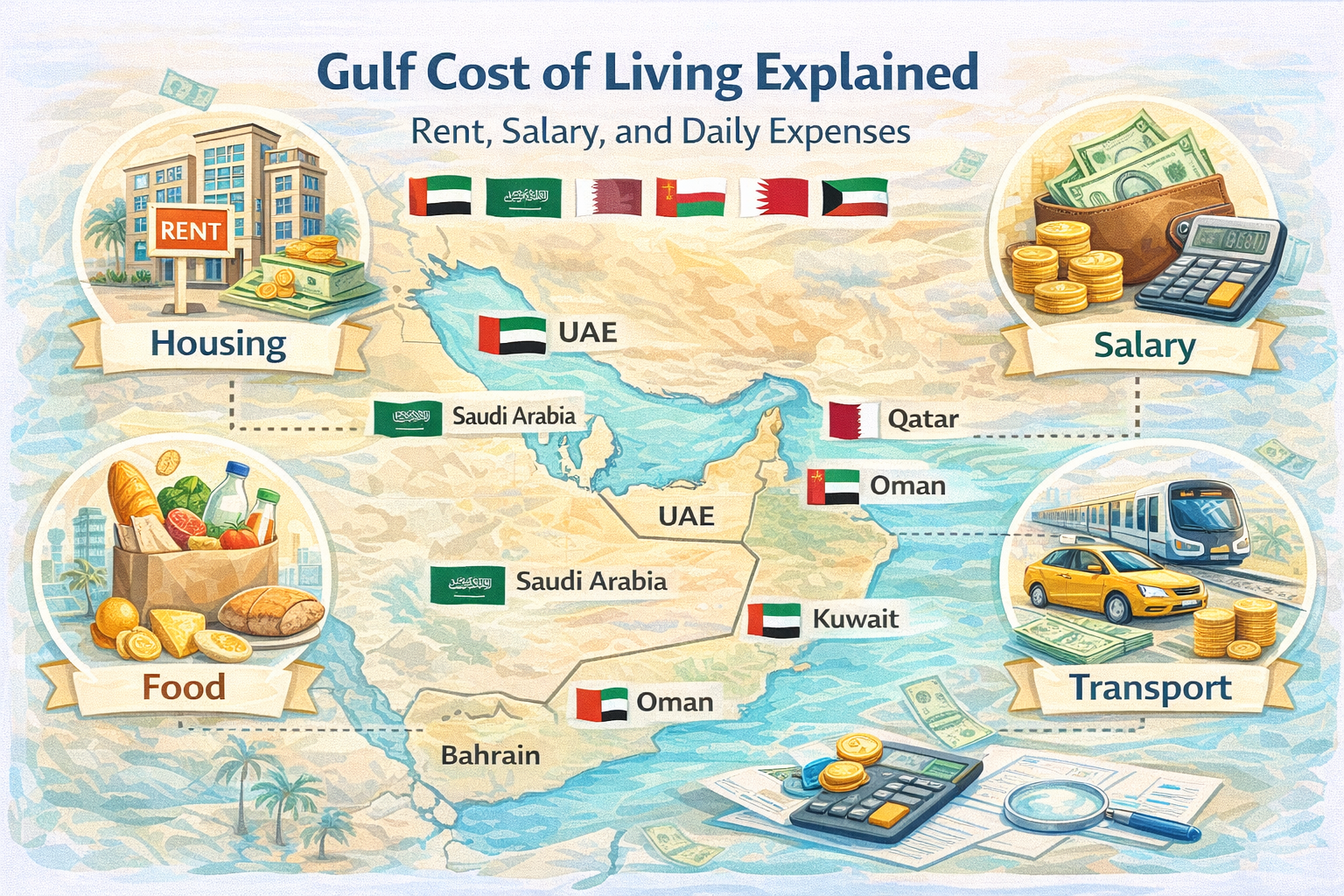
- Gulf cost of living breakdown
2. Cost of Living in the Gulf: Salary vs Reality
Tax-free income is one of the biggest benefits of life in the Gulf. However, the cost of living varies significantly by country and city.
Common Benefits Included in Expat Packages
- Free or subsidized accommodation
- Transportation allowance
- Health insurance
- Annual return air ticket
- End-of-service benefits
Major Monthly Expenses
- Rent (especially high in central city areas)
- Utilities and internet
- School fees for children
- Transportation and fuel
- Dining, shopping, and lifestyle spending
Cost of Living Comparison (2026)
| Expense Category | Riyadh (Saudi Arabia) | Dubai (UAE) | Doha (Qatar) | Muscat (Oman) | Kuwait City | Manama (Bahrain) |
| Rent (2BR apt) | SAR 3,500–5,000 | AED 6,000–9,000 | QAR 5,000–7,500 | OMR 350–500 | KWD 400–600 | BHD 400–550 |
| Utilities | SAR 400–600 | AED 600–800 | QAR 500–700 | OMR 40–60 | KWD 50–70 | BHD 40–60 |
| Groceries | SAR 1,200–1,600 | AED 1,800–2,200 | QAR 1,500–2,000 | OMR 120–160 | KWD 150–200 | BHD 140–180 |
| School Fees | SAR 20k–40k/year | AED 30k–60k/year | QAR 25k–50k/year | OMR 2k–5k/year | KWD 3k–6k/year | BHD 2.5k–5k/year |
(Figures are indicative ranges for 2026; actual costs vary by lifestyle and location.)
Smart Advice:
When negotiating a job offer, focus on the total compensation package, not just the basic salary.
3. Housing and Accommodation Options
Housing in the Gulf ranges from shared apartments to luxury villas and company-provided accommodation.
What Expats Should Know About Renting
- Rent is often paid yearly or via post-dated cheques
- Furnished and unfurnished options are available
- Family compounds offer shared facilities like pools and gyms
- Popular expat areas are close to offices and schools
Before signing a lease, confirm:
- Maintenance responsibilities
- Utility costs
- Commute time
- Building and community rules
4. Cultural Awareness and Social Etiquette
The Gulf region is deeply rooted in Islamic traditions, and respecting local customs is essential for a positive expat experience.
Key Cultural Guidelines
- Dress modestly in public places
- Avoid public displays of affection
- Respect prayer times and religious events
- Be especially mindful during Ramadan
- Friday is a religious day
Learning basic Arabic greetings and showing cultural sensitivity helps build trust and strong relationships.
5. Life in the Gulf; Laws and Regulations Every Expat Must Know
Gulf countries have strict laws, and ignorance is not an excuse.
Important Legal Considerations
- Alcohol consumption is regulated and licensed
- Offensive language or gestures can lead to fines or arrest
- Social media misuse may result in legal consequences
- Drugs carry severe penalties
- Carry valid ID and residency documents at all times
Reminder:
Behaviors acceptable in other countries may be illegal in the Gulf. Always stay cautious and informed.
6. Life in the Gulf; Lifestyle and Daily
Life in the Gulf combines modern comfort with traditional values.
Highlights of Expat Life
- World-class shopping malls and dining
- Clean beaches and desert experiences
- Gyms, sports clubs, and wellness centers
- Family-friendly entertainment
- Safe cities with low crime rates
While nightlife is more restricted than in Western countries, social life remains active through community events and private gatherings.
7. Life in the Gulf; Healthcare System
Healthcare services in the Gulf are modern, efficient, and well-regulated.
- Most employers provide mandatory health insurance
- Public and private hospitals are widely available
- Emergency services are reliable and fast
- English-speaking medical staff are common
Always verify:
- Insurance coverage
- Approved hospitals
- Dependents’ medical inclusion
8. Life in the Gulf; Education and Schooling Options for Expat Children
For expat families, education is one of the most important considerations.
Popular International School Curricula
- British
- American
- Indian (CBSE)
- IB and Cambridge
School fees can be high, especially in major cities, so education allowance is a crucial part of salary negotiations.
Early admission planning is recommended, as top schools often have waiting lists.
9. Life in the Gulf; Climate Challenges and Daily Adjustments
The Gulf climate is hot, particularly from May to September.
What Expats Should Prepare For
- Extremely high summer temperatures
- Heavy reliance on air-conditioning
- Outdoor activities mainly in winter months
Staying hydrated, dressing appropriately, and planning activities wisely helps adjust comfortably.
10. Life in the Gulf; Long-Term Planning and Career Growth
Many expats initially move for short-term goals but stay longer due to career opportunities.
Tips for Long-Term Success
- Continuously upgrade skills
- Build professional and social networks
- Save and invest wisely
- Understand residency and exit policies
- Plan career progression proactively
The Gulf rewards adaptability, performance, and professionalism.
Conclusion: Thriving in Your New Life in the Gulf
Life in the Gulf can be incredibly rewarding when approached with preparation and realistic expectations. From tax-free income and global exposure to cultural enrichment and career growth, the region offers unique opportunities for expatriates.
Success depends on understanding local laws, respecting traditions, managing finances wisely, and staying professionally disciplined.
For new expats, the formula is simple: arrive informed, remain adaptable, and plan ahead. When you do, life in the Gulf can become one of the most valuable chapters of your personal and professional journey.
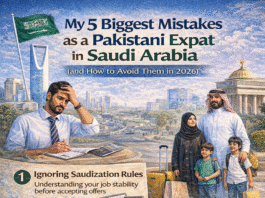
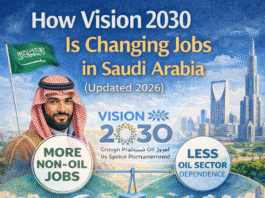
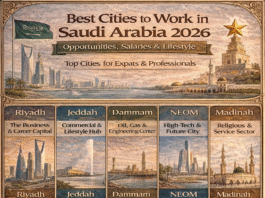

I recommend this blog site for all kind of information about Hiring,visa process, residential issues and other information which must know before visiting Gulf countries
thanks for your recommendation
[…] Life in the Gulf: What New Expats Must Know Before Moving (2026 Guide) […]